The Menopause Method
Your body is changing — and your approach needs to change with it. Adapt your training and nutrition to your body as it is now, not how it used to be.
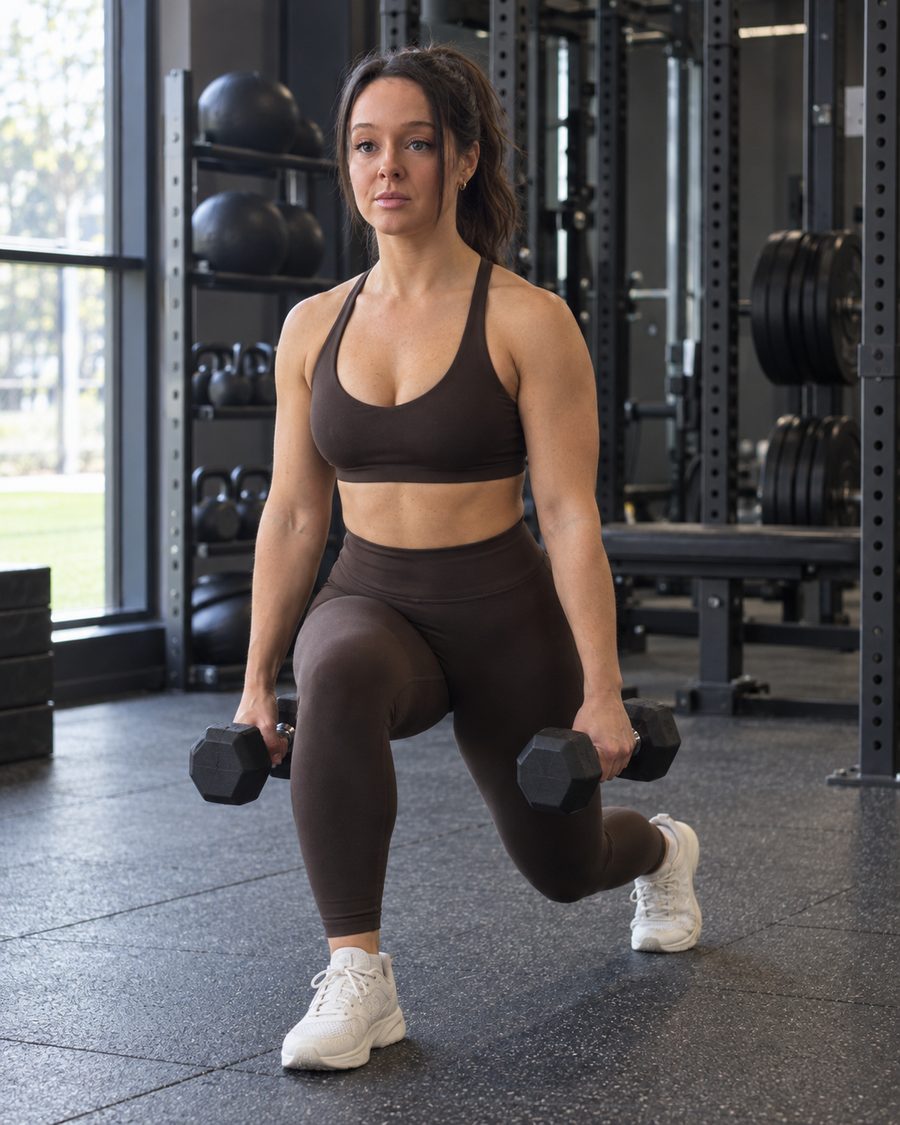
Your body isn’t the same as it was. And it’s not meant to be.
During menopause your hormones shift — and your body responds differently. You may notice:
- Lower energy
- Slower recovery
- Changes in body composition
- Increased fat storage, especially the midsection
- Joint discomfort or stiffness
What used to work may now feel harder. Not because you’ve lost progress — but because your body is asking for a different approach.

Do more. Eat less. Push harder.
The harder you push, the less your body responds.
We’re not training to burn out your body. We’re training to build it.
Your body responds best to strength, structure and recovery. Instead of doing more, we focus on doing what works.
Your training should look like
- Strength training 2–4× per week
- Moderate to heavy weights
- Controlled, intentional reps
- Proper rest between sets
- Low to moderate intensity cardio
- Short, intentional interval training
What to reduce
- Excessive HIIT
- Long, draining cardio sessions
- Constant high-intensity training
Support — not restriction.
Instead of eating less, we focus on eating strategically. We’re not trying to eat less — we’re learning how to eat better.
Focus on
- Higher protein to support muscle
- Balanced carbohydrates for energy
- Healthy fats for recovery support
- Consistent, structured meals
Avoid
- Under-eating
- Cutting carbs too low
- Extreme dieting
- Skipping meals
| Meal | Structure | Example |
|---|---|---|
| Breakfast | Protein + carbs + fats | Eggs + oats + nut butter (optional fruit) |
| Lunch | Protein + carbs + vegetables | Chicken + rice + greens |
| Snack | Protein focused | Yogurt, protein shake or nuts |
| Dinner | Protein + carbs + fats | Salmon + potatoes + vegetables |
| Snack (as needed) | Protein focused | — |
Your intake may vary day to day — and that’s normal.

You don’t need to do more. You need to recover better.
In this phase of life your body is more sensitive to stress. Recovery is no longer optional — it’s essential.
- Quality sleep, 7–8 hours
- Daily movement — walking
- Managing stress levels
- Slower mornings or wind-down routines
- Discuss persistent sleep or recovery concerns with your healthcare professional
- Time away from constant stimulation
Build a routine you can keep reviewing.
The beginning
Establish a starting point for movement, strength and recovery.
As you continue
Review your training records and adjust the next block to your response.
Lasting change
Work toward a sustainable routine and the goals you have agreed with your coach.
Progress varies between people and over time. No result or timeline is guaranteed.
